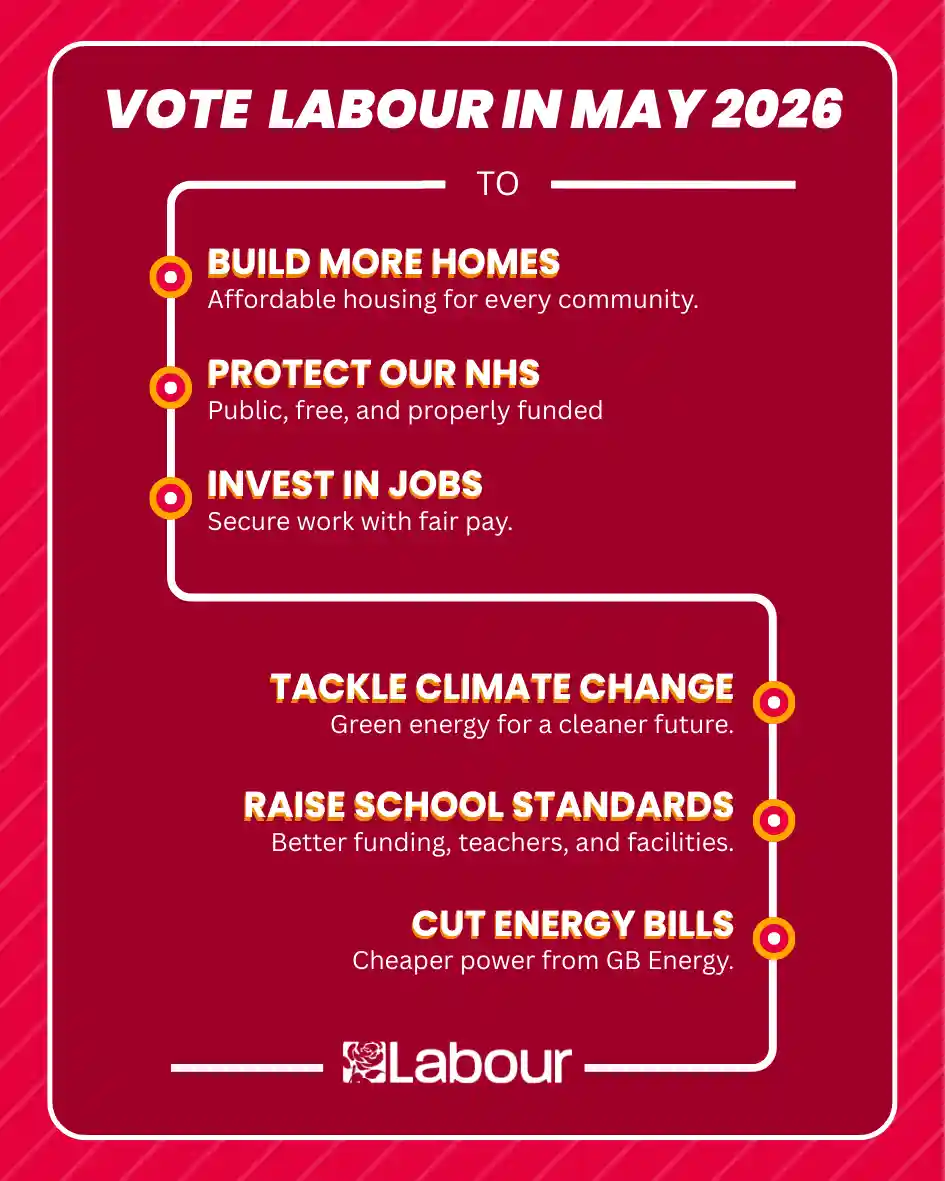
During a campaign or in office, you are constantly deciding how to communicate what you’ve done. A press release, video, graphic? And what should I say?
Consider this. Which would you rather watch?
A video explaining that 45% of rural patients travel more than 40 minutes to access healthcare.
A woman explaining that she used to drive an hour each way for her diabetes appointments, and how funding for a new clinic has changed her life.
Most people prefer the narrative story. After all, documentaries have a category at the BAFTAs, while policy speeches don’t. Voters understand statistics, but they remember people and stories.
I learned this quickly when I worked in international development. We could send donors a detailed report showing exactly how much money had been spent and where it went. And the numbers demonstrated our competence and effectiveness. But those reports rarely moved anyone. What moved people were stories. A single family and an example of what had changed because the funding existed. The report showed that the work happened, but the story showed why it mattered. The same principle applies in politics.
Why Stories Stay with Us
There is strong psychological grounding for this. Humans process narrative differently from abstract data. Stories engage emotional and sensory regions of the brain, which makes them easier to remember and easier to connect with. Statistics are processed analytically. They inform us, but they rarely linger.
Researchers often refer to the identifiable victim effect to describe this dynamic. People respond more strongly to one named individual than to statistics about thousands. This is not because scale does not matter. It is because empathy works through specificity.
When a constituent describes planning half a day around a routine appointment, listeners can picture it. When they hear that thousands of rural patients travel long distances for healthcare, they understand it, but they do not experience it in the same way.
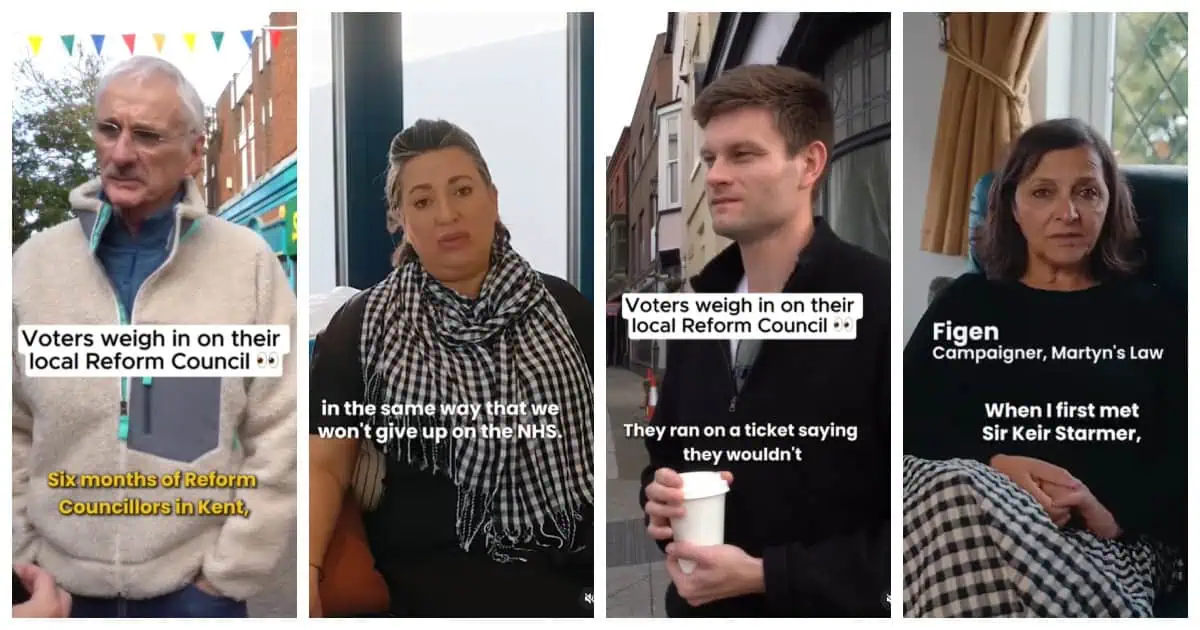
This party political broadcast centres real people sharing their stories — highlighting Reform’s inaction, the impact of 14 years of Conservative NHS underfunding, the risks of the insurance-based model Reform advocates, and the consequences of cutting the minimum wage for young people.
Achievement Shouldn't Be the Only Story
In public life, achievement-based communication is often the easiest content to produce. It requires only one person, a phone, and a clear explanation of what has been secured or delivered. Local funding secured. Investment delivered. Issue raised. Meeting held.
And to be clear, this is essential communication. In fact, it is necessary. Voters expect clarity about what you are doing and what you have achieved. It just becomes more powerful when it is complemented by communication that shows the outcome.
If the entire narrative about a rural clinic is a series of announcements, then the story remains centred on the action taken rather than the change experienced. It becomes a record of activity rather than a demonstration of outcome.
Saying, “I secured funding for a rural clinic,” explains what happened procedurally. Saying, “Mary used to drive an hour each way for her diabetes appointments and now she can get there in twenty minutes,” explains what changed in real life.
The funding is still there. The achievement is still visible. But the centre of the story has shifted from the member to the result, which changes how the message lands. Clear achievement announcements build credibility. Stories build connection. When the two are used together, campaigns communicate both competence and impact.
Public service is ultimately about outcomes for people and our communication should reflect that reality. When we lead with lived experience, we remind audiences what the work is actually for.
This video not only highlights the policies Labour is implementing and how they benefit people’s lives, but more importantly captures voters’ reactions as they hear how those policies will affect them personally.
Credibility and the Power of Third-Party Voices
There is also a credibility dimension to this. When a politician speaks about their own achievements, audiences naturally process that as persuasion. Campaigns, by definition, involve making the case for your own record.
When someone else describes the impact of that same work, the message is received differently. It carries the weight of lived experience rather than advocacy. A short video of a constituent explaining what a local clinic means for their family — or what a new road, park, or library has changed in their daily life — will often resonate more deeply than a formal announcement about the same thing.
Shifting from “I delivered this” to “Here’s who this helped” changes the tone from self-reference to shared experience. It moves the communication from “me” to “we,” signalling that the work is rooted in the community. That shift builds trust.
This video highlights the importance of Head Start and the real impact of cuts to the Department of Education under the Trump administration. It shows how powerful storytelling can be — and how, in the UK, the same approach could be used to highlight the real-world risks and consequences of Reform’s policies if they were implemented in government.
Using Story and Substance
None of this is an argument against data or policy. Talking about bills, budgets, potholes, waiting list figures, facts and statistics are all important and necessary. Voters expect this kind of communication.
What we are proposing is to also anchor those numbers and posts in lived experience (when feasible, potholes probably don’t require emotional storytelling ). A statistic about rural healthcare access lands more effectively when there is also someone describing what that access problem looks like in real life.
The strongest communication integrates three elements: a person, an action, and a sense of scale. When you combine data and storytelling, you create something far more persuasive: emotional connection supported by credibility and context.
This video features a young person reflecting on what being British means to him, standing up for values like the minimum wage, and highlighting how Reform in local government has let people down through failed policies and broken promises.
Turning One Achievement Into Multiple Pieces of Content
Practically, this means thinking more expansively about how achievements are communicated. If funding is secured for a rural health clinic, that moment can become more than a single post or press release. It can generate several complementary pieces of communication that reinforce one another.
The action: A direct explanation video or post on what was secured and why it matters. This demonstrates leadership and effectiveness.
The person: A storytelling video or post from someone whose life is affected by the change. This establishes impact and relatability.
The scale: A simple statistic/announcement post that situates that story within a broader issue. This establishes scale and seriousness.
The first demonstrates action. The second demonstrates the outcome. The third demonstrates context. Together, they give people multiple ways to understand and engage with the same issue.
This video demonstrates the impact that removing the two-child limit would have on struggling families, particularly those relying on food banks — lifting 470,000 children out of poverty over the next two years.
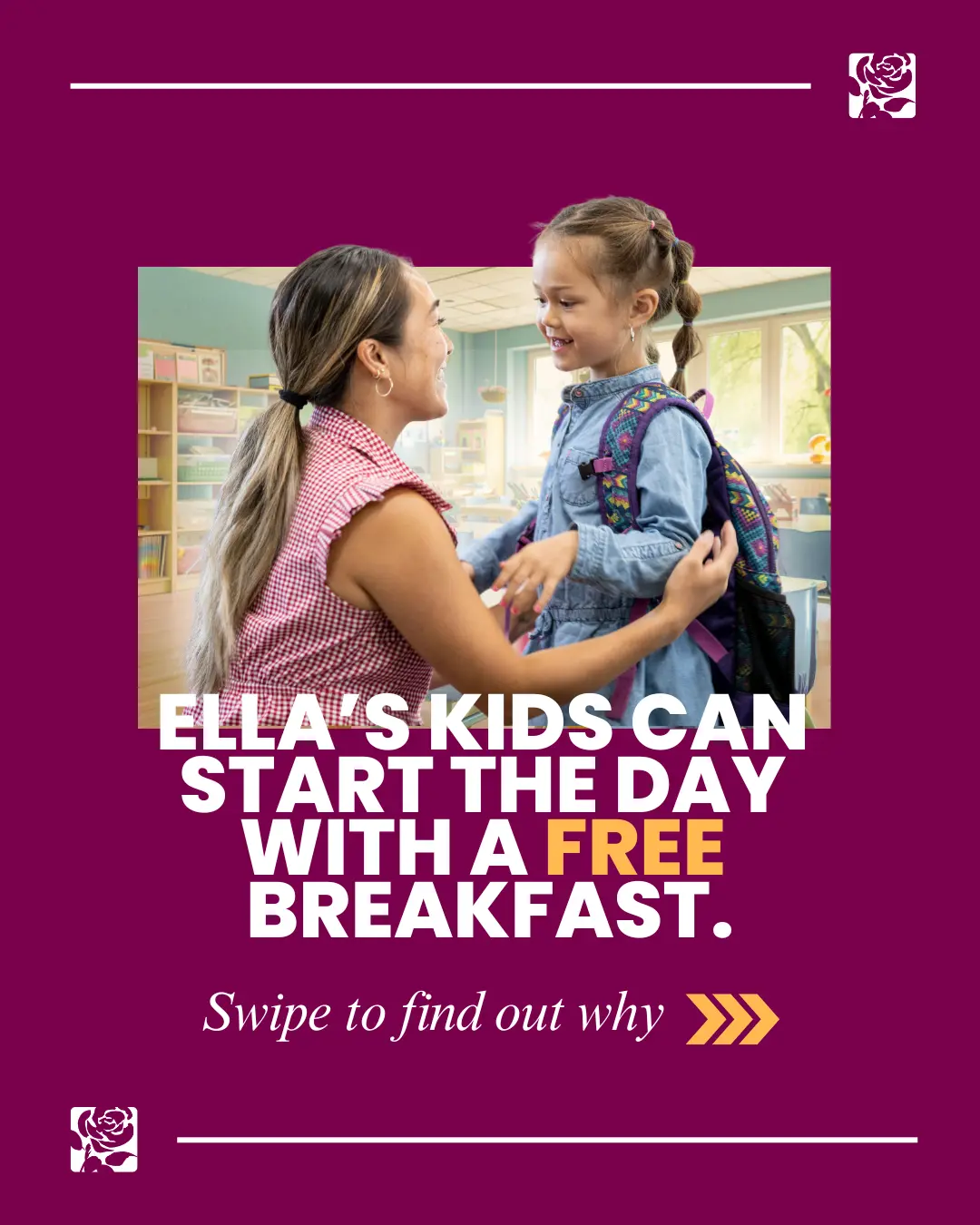
Example: Funding Secured for Free Breakfast Clubs in Local Primary Schools
The Action [A direct explanation of what was secured and why it matters.]
I’ve secured funding to expand free breakfast clubs across our local primary schools starting this autumn. This will ensure children can start the school day with a healthy meal, while also helping working parents manage the cost and logistics of mornings. This funding supports both children’s learning and family budgets.
The Person [A storytelling post from someone affected by the change.]
“Mornings were always stressful,” says Aisha, a mum of two in Eastfield. “I start work at 8:30, and trying to get breakfast sorted, bags packed, and everyone out the door felt impossible some days.”
“Knowing there’s a breakfast club at school means I don’t have to choose between being late for work and making sure they’ve eaten properly. It’s taken a huge weight off.”
The Scale [A post that situates the story in a broader issue.]
One in five children in our area lives in a household facing financial pressure. Research shows that access to breakfast clubs improves attendance, concentration, and attainment. Supporting families early in the day makes a measurable difference.
✍️ Pro Tip: Content creation doesn’t have to be complicated. For announcing actions/achievements, selfie videos of you walking or talking to the camera is just fine. For the person/story content, constituents can send you a short video clip or photos and a quote. Or do a video call and record it and pull clips. None of this has to be fancy. The message matters more than the production.
Thinking Beyond Social Media
Once you’re thinking about the person–action–scale structure, the next step is making sure it shows up consistently across your platforms, not just on social media. Here’s a few ideas:
On Your Website: Your website can demonstrate both delivery and impact.
Maintain a clear and visible record of achievements. This might be an Achievement Map or a dedicated section outlining funding secured, projects completed, and issues resolved.
Alongside endorsements, consider building a testimonials or “Community Stories” section. This is not simply a page of praise. It is a record of outcomes and impact from constituents. Each entry can briefly explain the issue, include a quote or video from the person affected, and reference the action that led to change.
Email and Newsletters:
Consider including a regular “Community Spotlight” or “Community Story” in each edition. One short example is enough. Introduce the situation, explain the impact, and briefly connect it to the action that made it possible. This gives your newsletter a human anchor.
Most campaigns/offices already include achievement updates in their emails so keep up the great work! Clear summaries of funding secured, meetings held, and progress made build credibility.
We're Here to Help
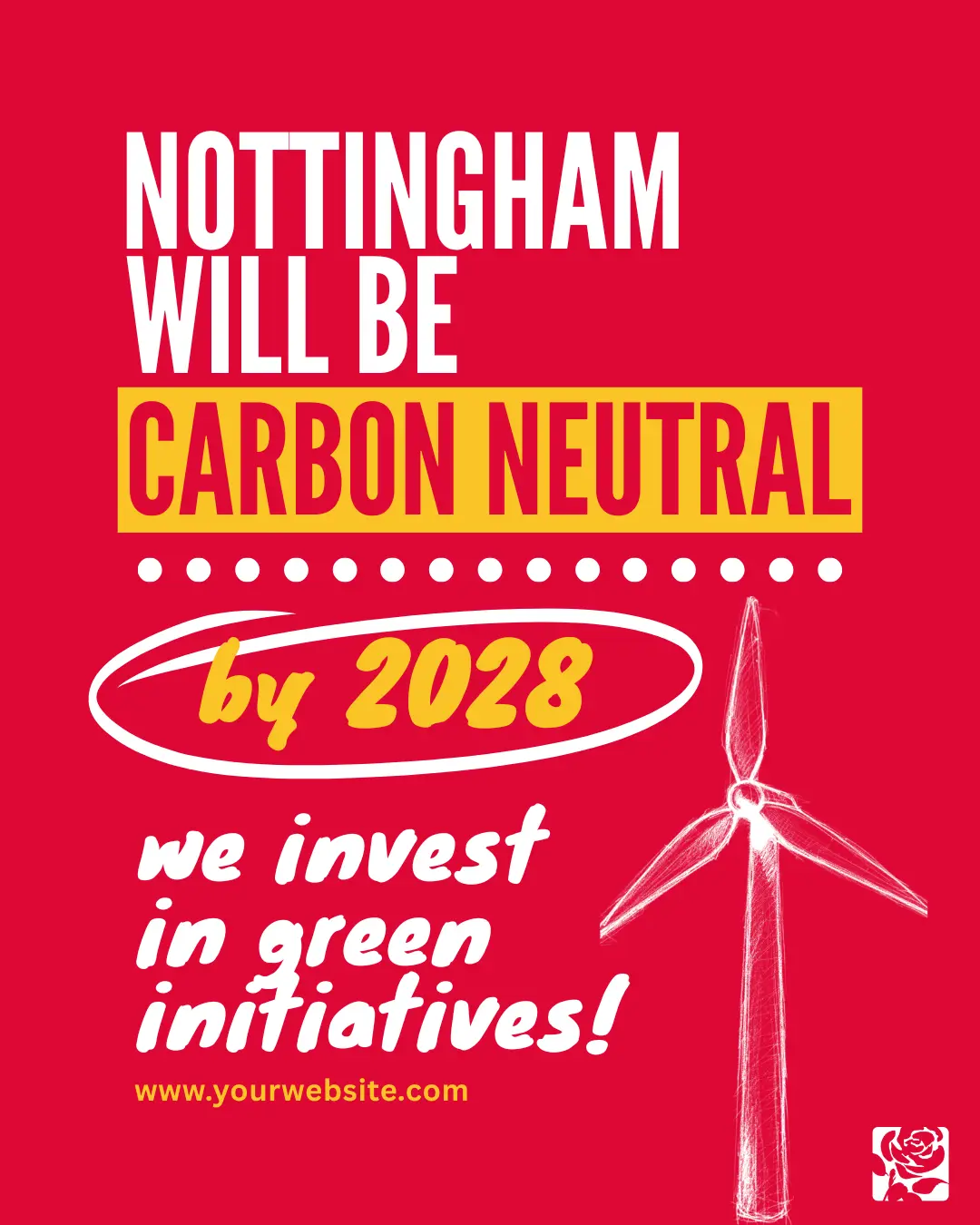
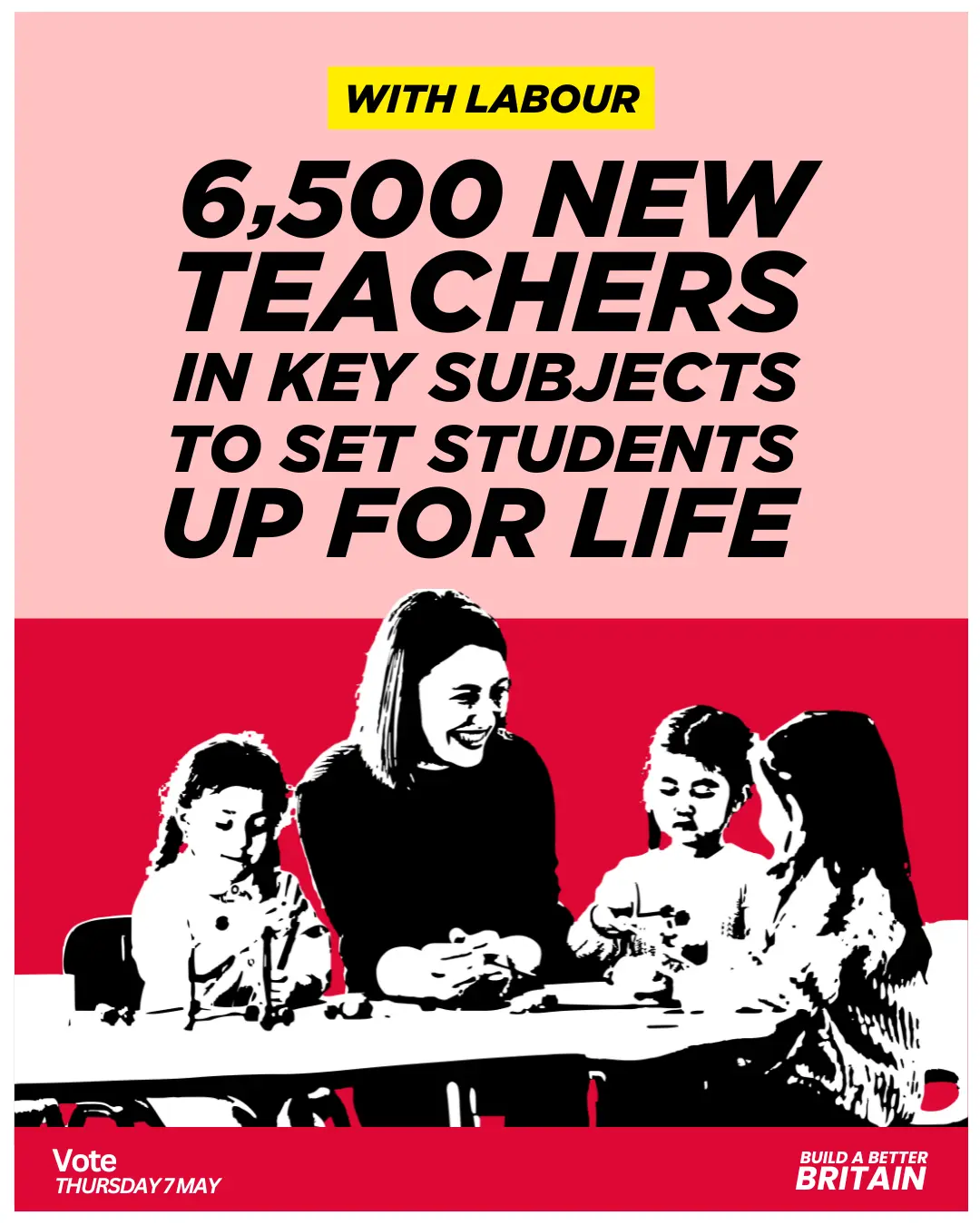
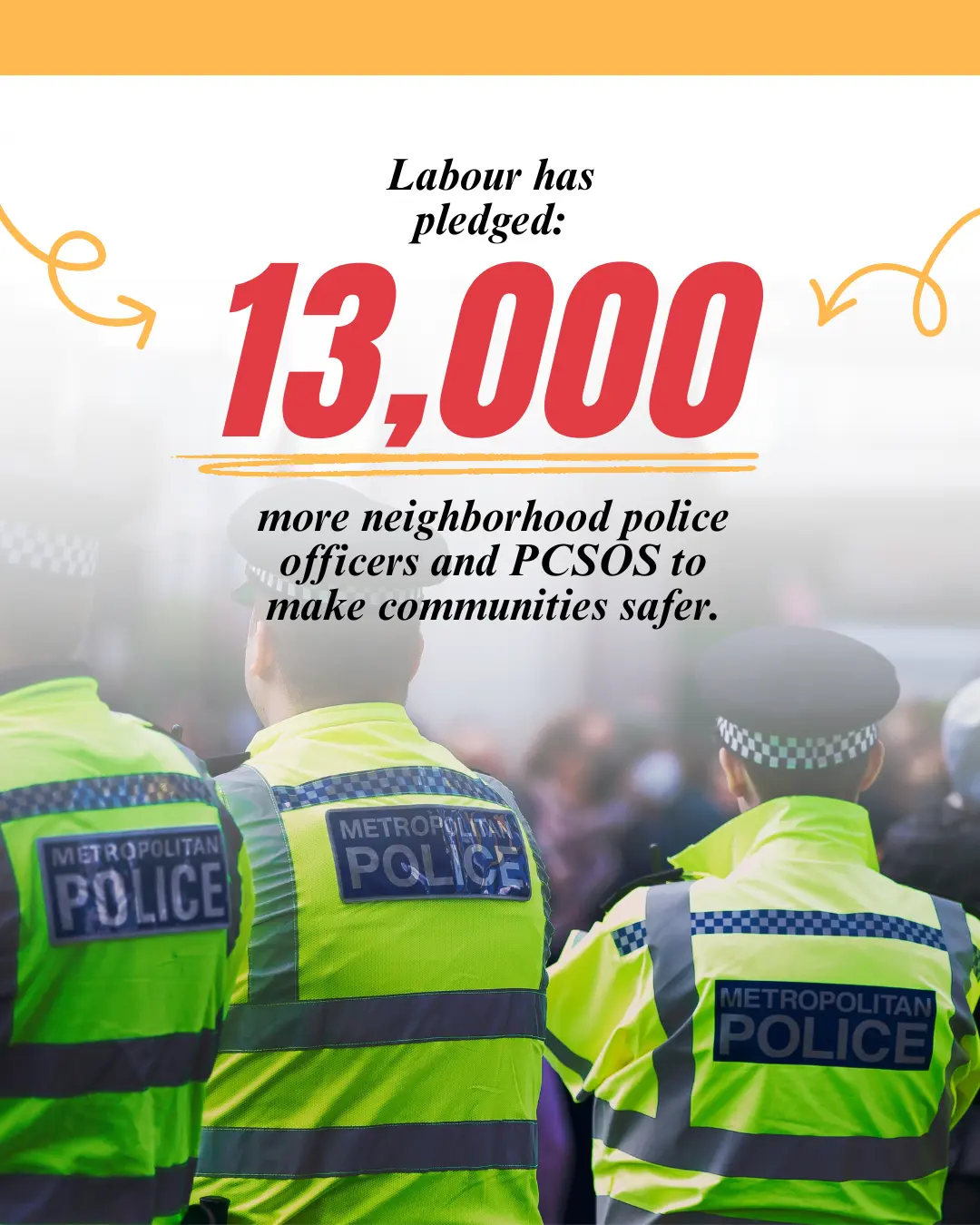
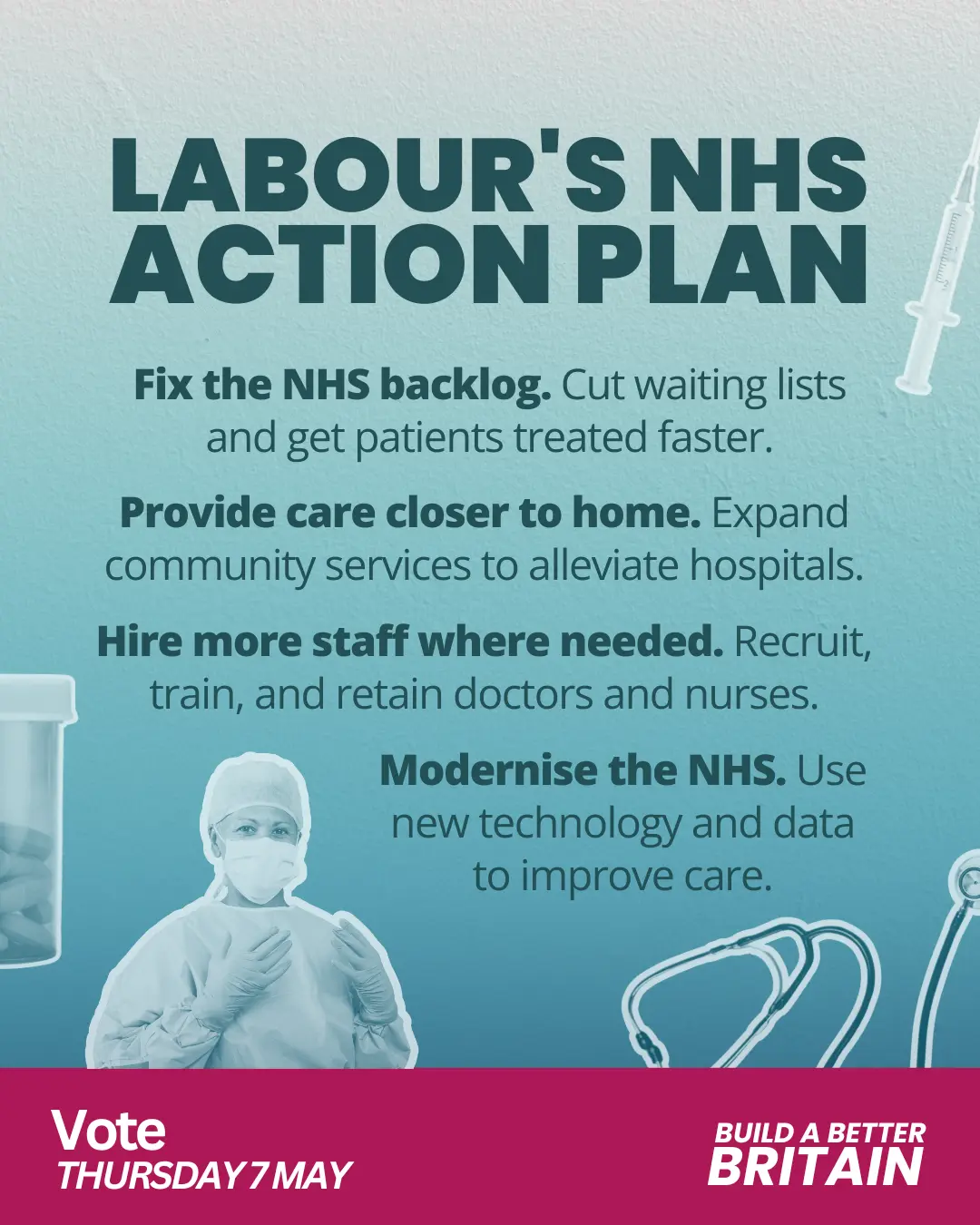
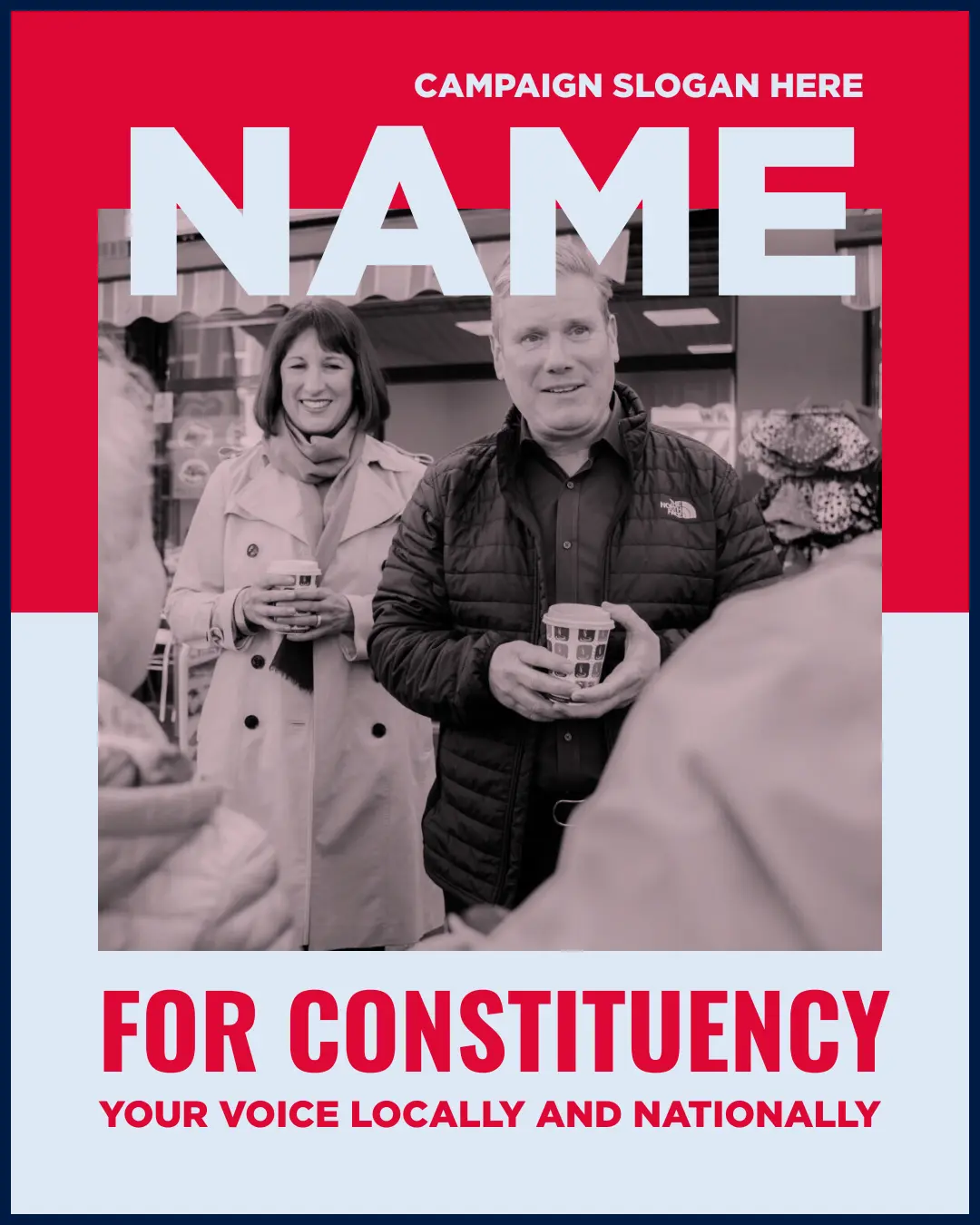
If you’re looking to bring this approach into your campaign or office but aren’t sure where to start, we can help. From planning structured content around your key achievements to editing short storytelling videos, designing graphics, and building out website sections that reflect both delivery and impact, our team supports campaigns in turning action into outcomes that resonate with voters.
Kelsey Lewis has worked at the intersection of democracy and design across the UK and internationally, supporting governments and civil society on complex political issues. She brings that experience to Labour campaigns, creating clear, confident brands and campaign assets that help candidates communicate their values and connect with voters.
600+ Graphics Templates
Used by 2,000+ Labour members and groups nationally, get instant access to 600+ graphic templates that convert voters into supporters.
“I can’t recommend Labour Templates enough. The customer service is incredible – they are always available day and night and nothing is ever too much trouble. They offer a full service of digital support and the quality is second to none. I would be lost without them.”
Andrew Ranger MP
Wrexham
“The support from Nitesh Patel (Director) and the team at Labour Templates has been excellent from the outset. They are responsive, offer options and the training videos have been very useful in terms of supporting day to day running of the website.”
Gregor Poynton MP
Livingston
“Would recommend Nitesh Patel (Director), Labour Templates and ePolitixDesign to all candidates and campaigners. The work is all first rate and exactly what you need to run a successful campaign.”
Marc Wickens
Basingstoke Labour
"Their approach is to be as supportive as you need. Nitesh (Director) was always on hand to help for those areas I wasn't able to do myself. The whole process was smooth, and the website looks fantastic. Highly recommended!”
Hersh Thaker
Labour Indians
“Nitesh Patel [Director, Labour Templates] and his team are simply brilliant…For those looking to set up a website for themselves or a group – you will genuinely get everything you need with Labour Templates and much more. High recommended.”
Cllr Lenny Rolles
Weald of Kent Labour
“Labour Templates are absolutely fantastic. They couldn’t have been more helpful in producing a website that looks professional. The response has been brilliant and the ongoing service and advice invaluable. If you are looking for help and support I would stop your search and use Labour Templates.”
Andy Blackaby-Iles
Aylesbury Labour
“Quick, easy, and the website looks a million times better. The customer service from Nitesh Patel [Director, Labour Templates] is on another level to any other service I’ve used and I’m thrilled with the end result and the ongoing support.”
Cllr Chris Cornell
Canterbury Labour
“The team have been at the heart of our success. Their skill, dedication and desire to understand who and what we are has been key to us being able to appear modern, engaging and proactive in sharing our messages. We’ve gone from having three councillors to over 18 and forming an administration.”
Cllr Ciaran Cronnelly
Weston super mare
“The functionality and design of the website is great and the support on offer from Nitesh Patel [Director, Labour Templates] has been invaluable.”
 ). A statistic about rural healthcare access lands more effectively when there is also someone describing what that access problem looks like in real life.